
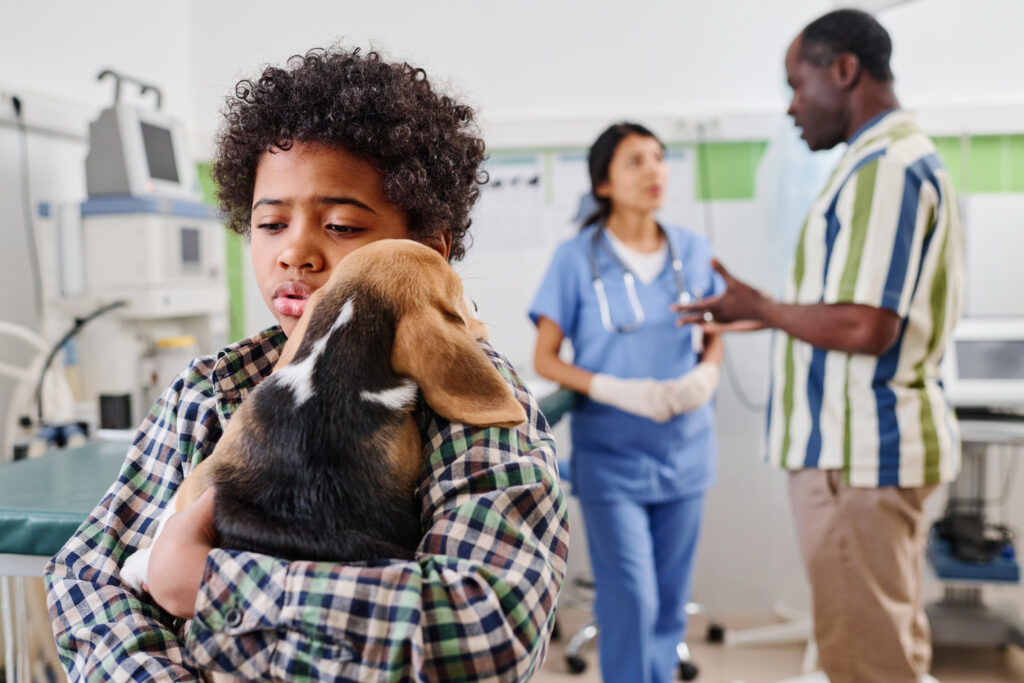
Digestive upset is one of the most common health concerns pet owners encounter. A skipped meal, mild vomiting, or soft stool can sometimes resolve on its own. But other times, those same pet symptoms may signal something much more serious.
Knowing when common stomach problems cross the line into a pet emergency can protect your pet’s health and potentially save their life.
Not All Digestive Issues Are Equal
Dogs and cats can experience occasional digestive upset for any number of reasons, including changes in diet, eating something unfamiliar, stress, or minor infections. In many mild cases, your pet may vomit once or twice, they may even have a decreased appetite, but they recover quickly and return to their normal behavior.
However, persistent or worsening symptoms require closer attention. The difference between minor irritation and more serious illness often lies in the severity, frequency, and accompanying signs.
As a pet owner, observing the full picture matters just as much as noticing the vomiting or diarrhea itself.
When Vomiting Becomes Dangerous
A single episode of vomiting without other symptoms may not require emergency care. But repeated vomiting within a short period of time, or over several days, vomiting accompanied by lethargy, or vomit that contains blood are often signs of a more serious condition.
Frequent vomiting can quickly lead to dehydration. This is especially true in puppies, kittens, small dogs, and senior pets. More concerning causes include intestinal blockages, toxin ingestion, pancreatitis, severe infections, or a life-threatening condition called gastric dilatation-volvulus (commonly known as bloat).
If your pet’s symptoms include worsening lethargy, unable to keep any food or water down, or signs of abdominal pain, you should have your pet seen immediately as those pet symptoms may indicate a serious pet emergency.
Diarrhea and the Risk of Dehydration
Diarrhea can range from mild digestive irritation to a serious, even life-threatening medical condition. When it is profuse, persistent, or accompanied by other concerning symptoms, it should not be ignored.
Bloody diarrhea, black tarry stool, or diarrhea accompanied by vomiting and weakness may signal a more serious underlying condition. In some cases, these symptoms may signal an intestinal obstruction, internal bleeding, systemic infection such as parvovirus in young dogs, even toxin or foreign material ingestion.
Because fluid loss can happen quickly, dehydration may develop rapidly and can progress to shock if left untreated. If your pet is experiencing severe or ongoing diarrhea, prompt veterinary evaluation is essential.
Abdominal Pain and Bloating
One of the most life threatening digestive emergencies in dogs is Gastric Dilatation and Volvulus (GDV), more commonly referred to as bloat. This condition causes the stomach to fill with gas and potentially twist, cutting off blood flow. It progresses rapidly and requires immediate surgical intervention.
Early symptoms of bloat include:
- A swollen, distended abdomen
- Restlessness, pacing, not able to lay down
- Unproductive retching
- Acting as if in pain, excessive salivation
While GDV/bloat is more commonly seen in larger breed, deep chested dogs, it can happen in any breed.
Cats can also experience serious abdominal emergencies, though they may show subtler signs such as hiding, refusing food, or becoming unusually quiet.
If your pet’s abdomen appears distended or painful to the touch, it is considered a pet emergency.
Foreign Objects and Blockages
Pets are curious by nature. Toys, socks, bones, string, and household objects are common causes of intestinal blockages.
When a foreign object becomes lodged in the digestive tract, it prevents food and fluids from passing normally. This can lead to repeated vomiting, abdominal pain, constipation, or complete loss of appetite.
Blockages do not resolve on their own and often require surgical removal. If you suspect your pet swallowed something they shouldn’t have, do not wait for severe symptoms to develop.
Toxin Ingestion and Digestive Distress
Many toxins first present with digestive symptoms. Chocolate, xylitol, grapes, certain plants, medications, and cleaning chemicals can all cause vomiting and diarrhea before more serious complications occur.
Because toxins are absorbed quickly, early treatment dramatically improves outcomes. If you suspect exposure, treat it as a pet emergency even if symptoms appear mild at first.
Subtle Digestive Pet Symptoms That Matter
Not every digestive emergency begins dramatically. Sometimes the first signs are behavioral. A normally energetic dog may become unusually quiet. A cat may isolate or refuse food. Subtle discomfort can precede more severe symptoms.
As a pet owner, noticing these early changes allows you to seek care before the condition worsens.
When to Seek Emergency Care
It is safest to pursue emergency evaluation if your pet experiences:
- Persistent vomiting or diarrhea
- Blood in vomit or stool
- Abdominal swelling or significant pain
- Severe lethargy
- Signs of dehydration
- Known toxin ingestion
- Suspected foreign object ingestion
While mild digestive upset may resolve at home, worsening or severe pet symptoms should not be delayed.
For pet owners in Norman and surrounding communities, having access to emergency veterinary care means you do not have to navigate these decisions alone.
Acting Quickly Protects Your Pet
Digestive pet emergencies can escalate faster than many people realize. What may start as a simple upset stomach can quickly progress to dehydration, shock, or even organ damage without prompt treatment.
If you are unsure whether your pet’s condition qualifies as a pet emergency, calling for guidance is always appropriate. Veterinary professionals would rather assess a stable patient than treat a crisis that worsened due to delay.
Your awareness and willingness to act quickly are powerful tools in protecting your pet’s health.
Learn More
If your pet is currently experiencing an emergency, please call VERC at 405-360-7828. For more resources and tips for taking care of your pet, follow us on Instagram and Facebook.